
An interview with Sheila Stein
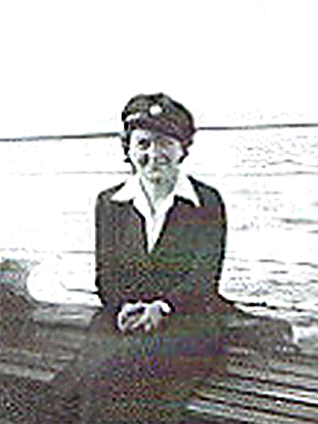
My mother, Amalia, was taken on the SS Volendam, the ship that brought her from England to the United States when she was 18.
What is your connection to Holocaust survival, and how does it shape your perspective?
The Holocaust was always part of my Jewish upbringing, but my family didn't really talk about it then. I thought my mother wasn’t a survivor because she wasn't in a concentration camp. Through my docent training at the Illinois Holocaust Museum, I learned she and her family were survivors, each leaving Austria to stay alive. My uncle escaped on a Kindertransport to England at 12 years old and helped my grandfather get there. My mother went as a domestic worker – a nanny, she called it.
My grandmother was the last to leave Austria. I have a new appreciation for their fortitude, faith, and resilience—leaving everything with no money, relying on strangers, not knowing the language. It’s helped me understand my mother's strength in ways I couldn’t when she was alive.
What motivated you to share your story?
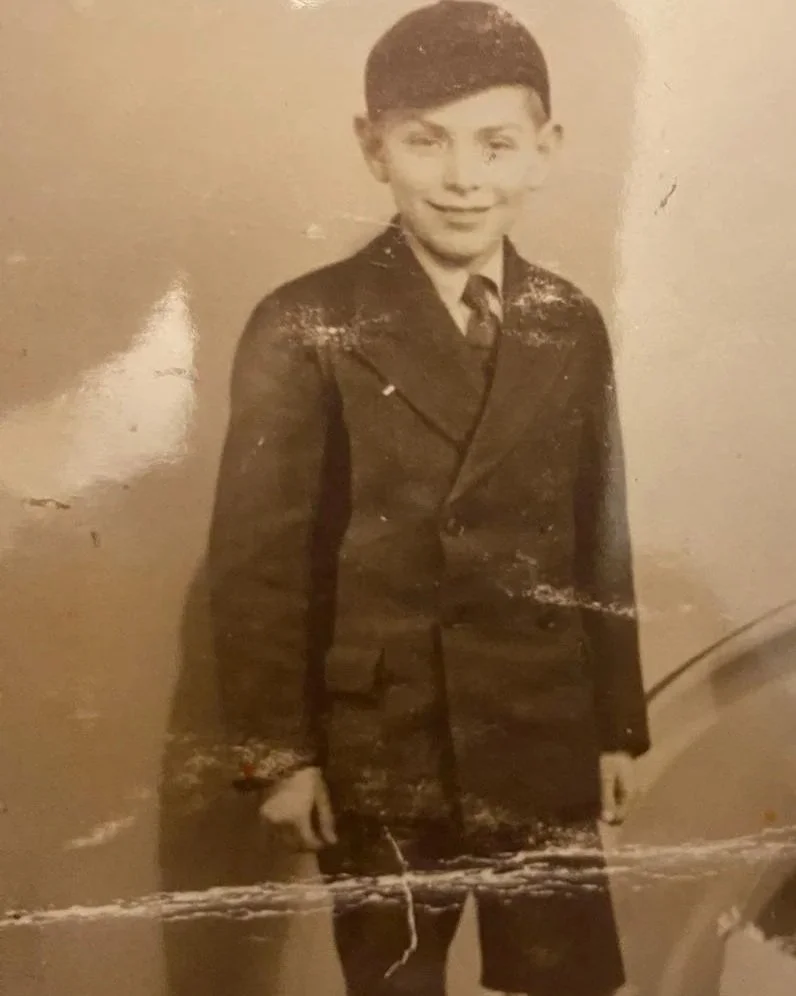
My Uncle Erich as he's getting ready to go on a Kindertransport to England. He's about 12 years old.
Learning my family’s story created an emotional urgency to share it, to say: “Yes, they were there! It really happened.” Illinois students learn that 6 million Jews were murdered – Holocaust education is mandated. But what does that number mean? How do you wrap your head around it? What about the people who weren't murdered, did they just go on living their daily lives? What does antisemitism mean? These questions must be addressed. A personal story is more likely to be heard and remembered.
What is your background outside of Living Links?
I’ve always worked with people—running a pre-school, teaching children with learning differences, working in a specialty pharmacy. I learned to listen and connect across all kinds of backgrounds. My audiences at the IHM come from many different backgrounds, different levels of knowledge, and possibly preconceived notions. Before every tour I ask myself, “How do I reach them? How do I make the Holocaust real? How do I connect it to their knowledge and experiences and make it relevant to their lives?” That’s my approach as a speaker too, bringing my audience one step closer to understanding the Holocaust as I talk about my family.
What is a meaningful reaction or impact you have witnessed from an audience while sharing your story?
I've only spoken once so far – to a high school class. It struck me that their response at the end was enthusiastic, not just polite. The questions they asked showed they were really listening, paying attention.
What excites you most about the future of Living Links and becoming a part of this descendant network?
I hope to have many opportunities to share across different communities and audiences. Each speaker brings a unique perspective to what’s otherwise just another page in a history book. Our personal stories bring a reality that no book or movie can match. I’m so proud and grateful to be part of this.
Is there anything else you would like to share?
The photo of the little boy is my Uncle Erich as he's getting ready to go on a Kindertransport to England. He's about 12 years old. The photo of my mother, Amalia, was taken on the SS Volendam, the ship that brought her from England to the United States when she was 18.
We’ll teach you how to share your grandparent’s story.